-
A-A+
- Українською
- Português
- Українською
- Português
English
English
UNESCO World Heritage in Ukraine
05 November 2025 10:00
The Legacy of Identity, Beauty, and Resilience
UNESCO World Heritage in Ukraine
Welcome to this exhibition about Ukraine’s UNESCO World Heritage sites – treasures that are shared not only by Ukrainians, but by all of humanity. From the wooden churches of the Carpathians to the grand historic centres of Lviv and Odesa, these places carry centuries of history, human creativity, and the stories of the communities that built and cherished them.
Yet today, this heritage is under unprecedented threat. Russia’s war of aggression has inflicted irreparable damage on cultural landmarks, sacred sites, museums, libraries, and natural reserves. More than 1,500 monuments of cultural heritage and over 2,300 objects of cultural infrastructure have been damaged by Russia.
World Heritage sites are among them. As of October 2025, Russia has shelled the historical centers of Odesa and Lviv; it has also damaged buildings of the St. Sophia Cathedral in Kyiv. Another site – Tauric Chersonese in Crimea – remains under temporary Russian occupation and suffers from unauthorised excavations and the looting of historical artifacts. This is a deliberate assault on memory, identity, and the continuity of Ukrainian culture.
This exhibition offers two perspectives at once: the story of Ukraine’s unique heritage, and the story of how Russia’s war endangers it – and why it urgently needs protection. As you walk through, we invite you to discover Ukraine’s beauty, creativity, and resilience – and to imagine walking its streets, hearing its voices, and feeling its spirit in person one day.
Kyiv: Saint-Sophia Cathedral and Related Monastic Buildings, Kyiv-Pechersk Lavra
UNESCO World Heritage Site since 1990.
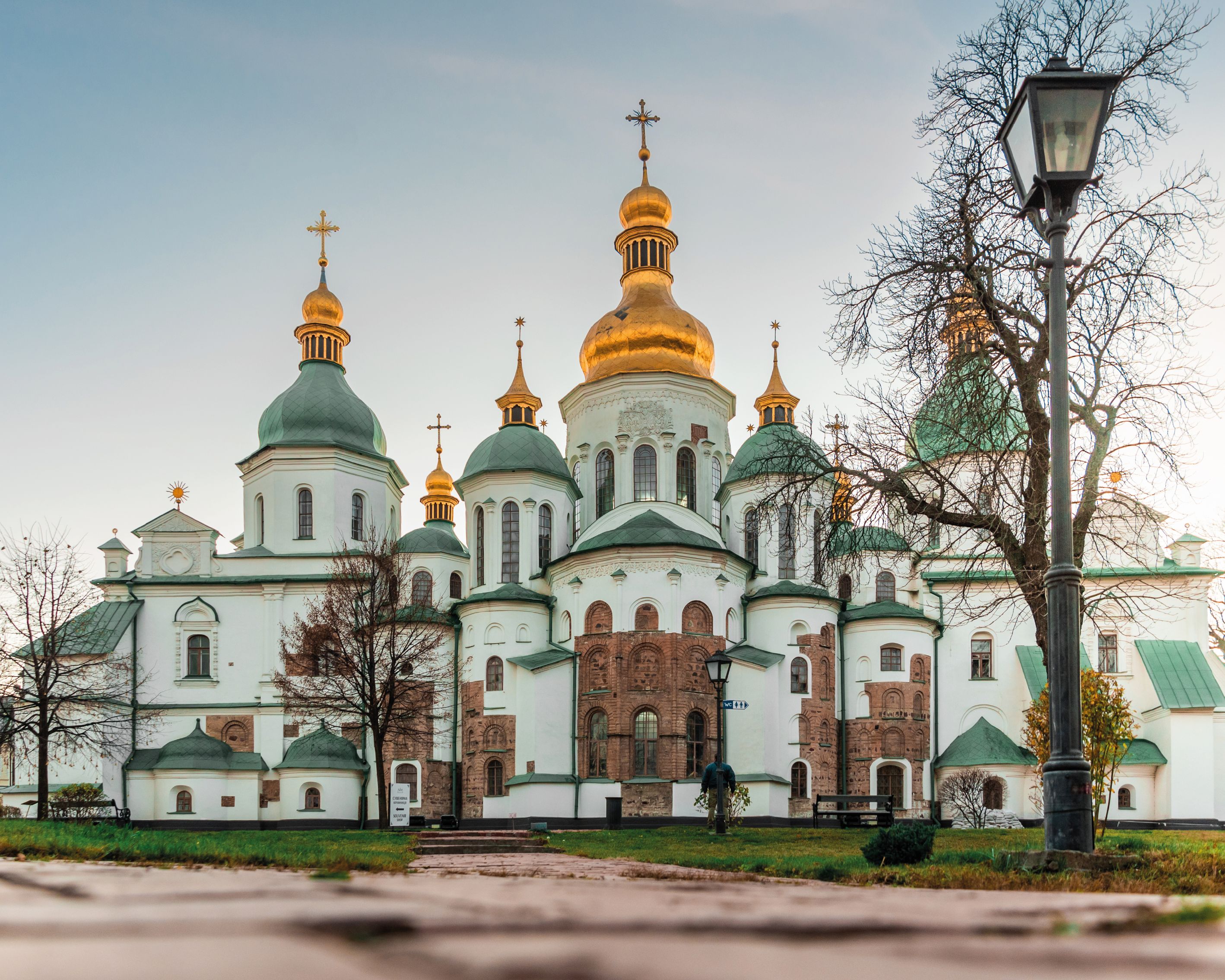
St. Sophia Cathedral, built in the early 11th century as the main Christian church of Rus. Kyiv, Ukraine.
Photo: Pavlo Zaiarnyi
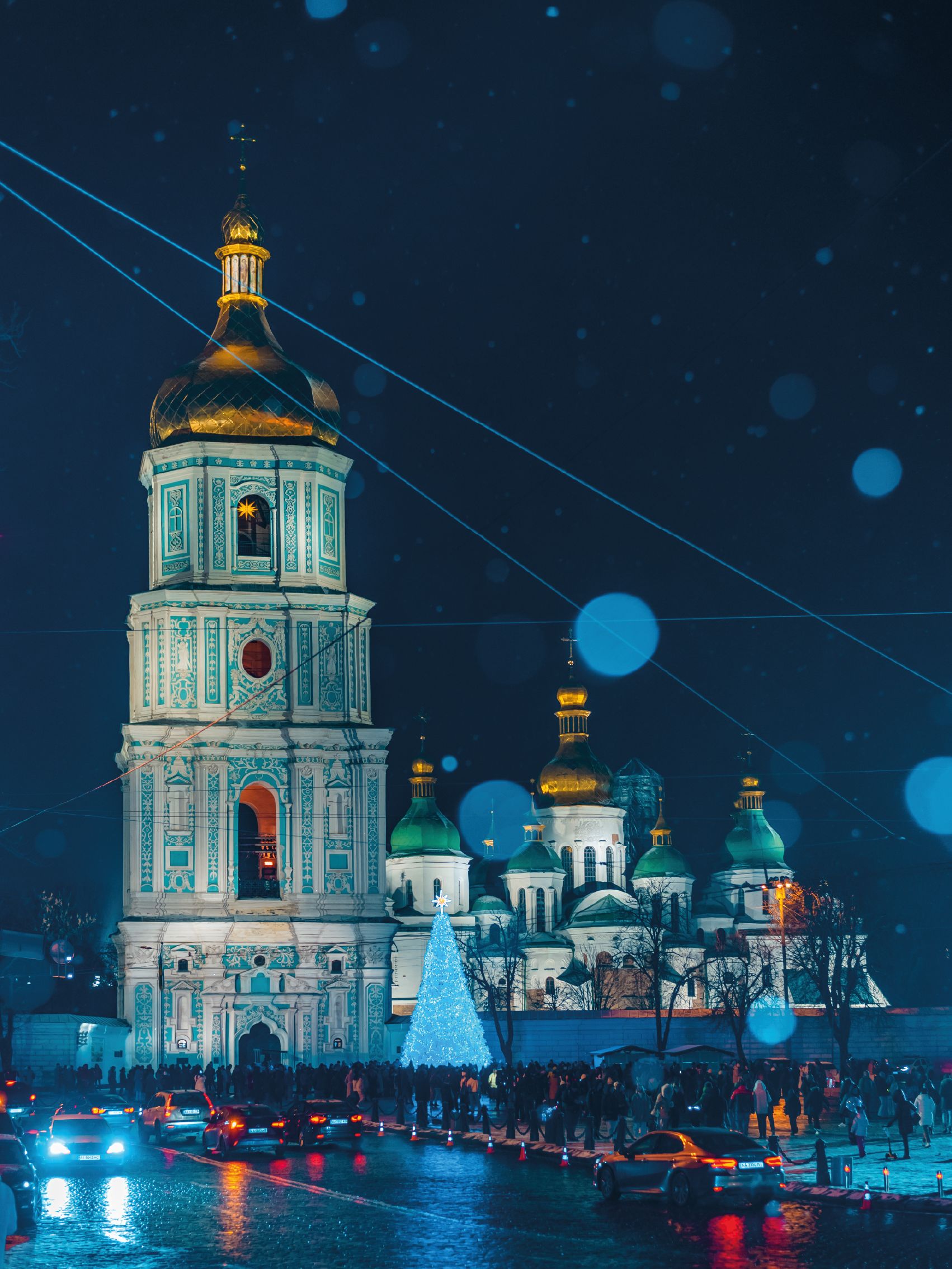 |
The square in front of St. Sophia Cathedral traditionally hosts Ukraine’s main Christmas tree.
Photo: Pavlo Zaiarnyi |
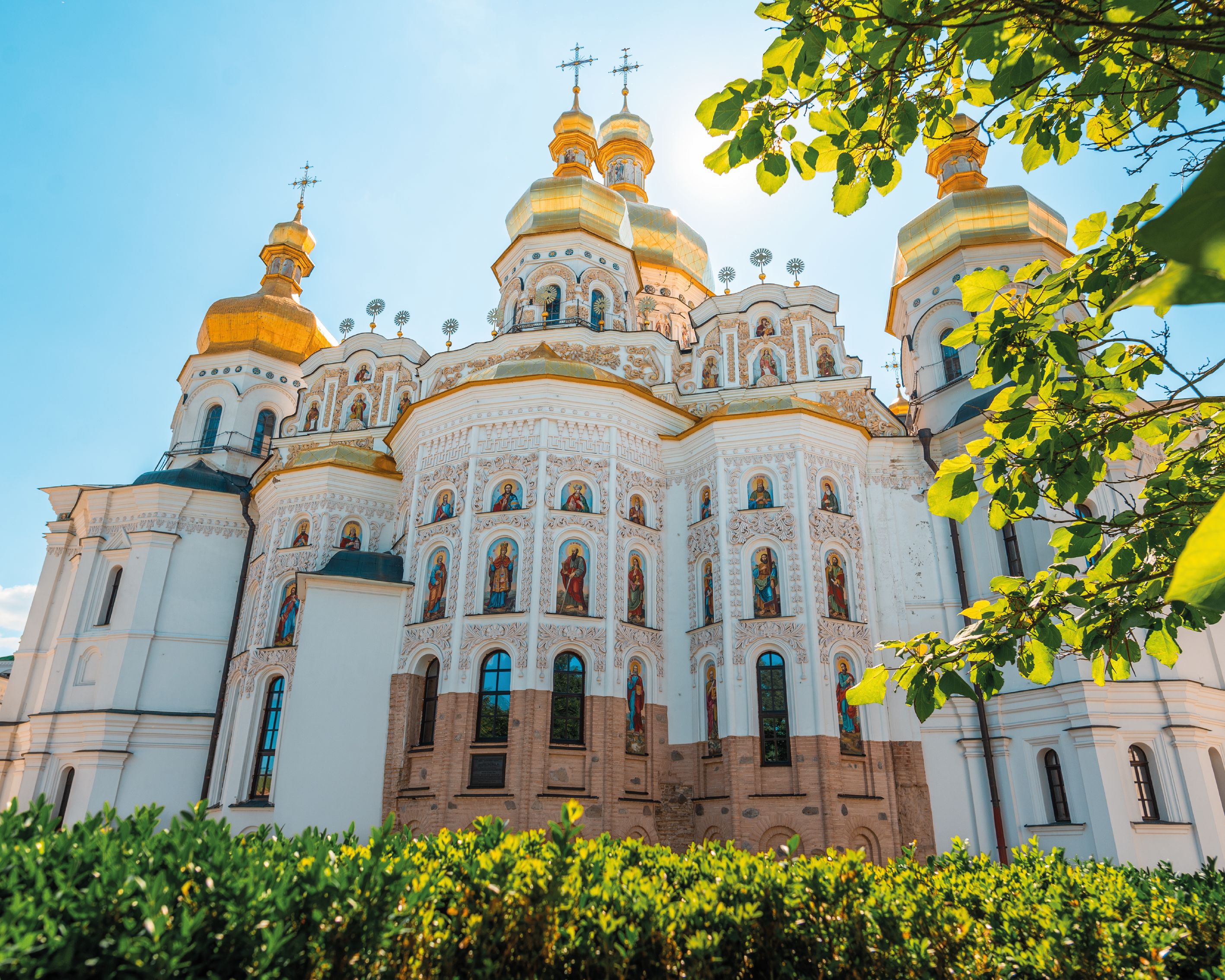
Dormition Cathedral in Kyiv-Pechersk Lavra. The history of the site goes back to the 11th-century cave monastery. Kyiv, Ukraine.
Photo: Pavlo Zaiarnyi
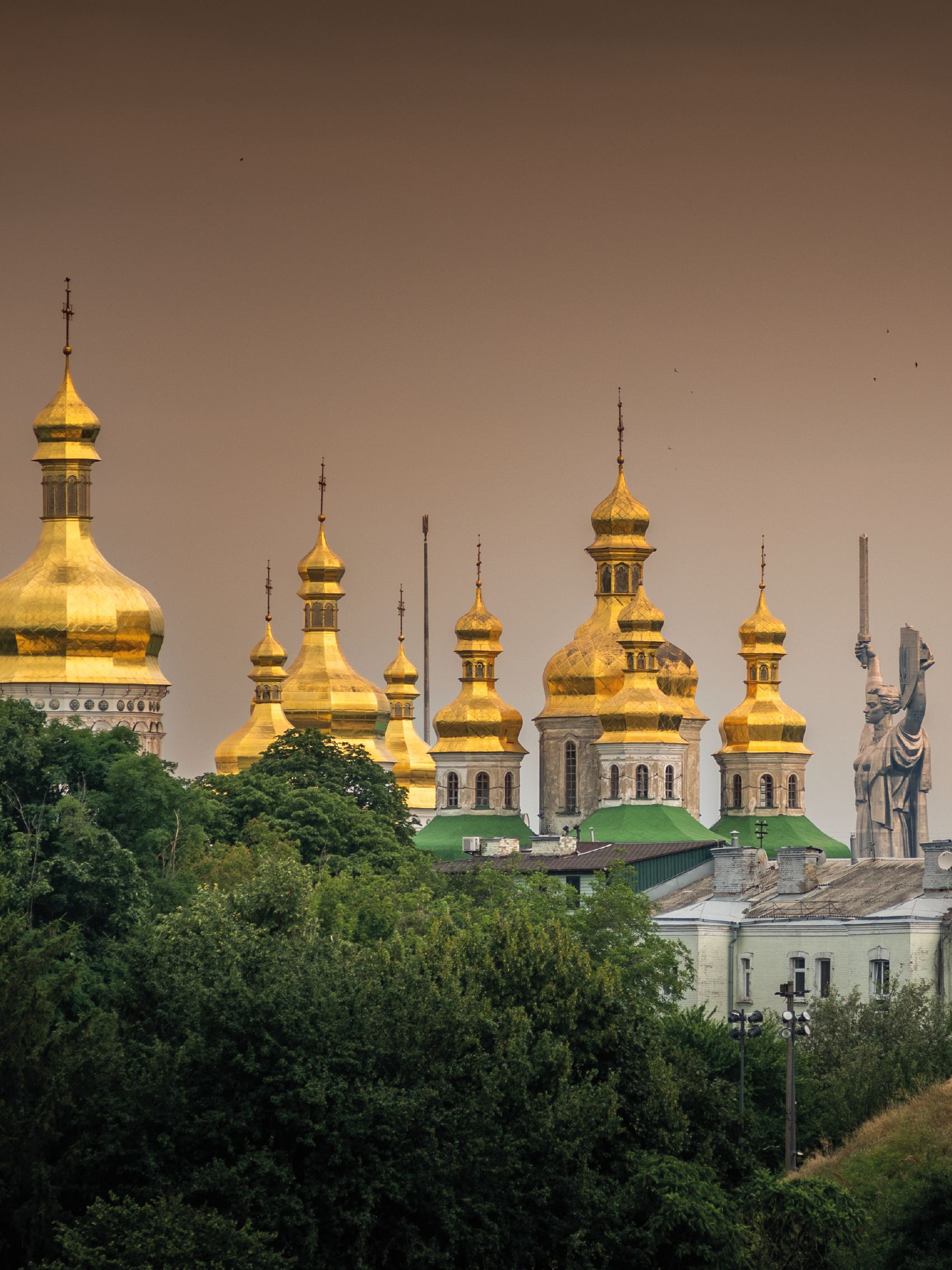 |
The tops of the church domes of the Kyiv-Pechersk Lavra and the Motherland Monument, which is several metres shorter than the highest point of the Lavra. Photo: Pavlo Zaiarnyi |
Lviv – the Ensemble of the Historic Centre
UNESCO World Heritage Site since 1998.
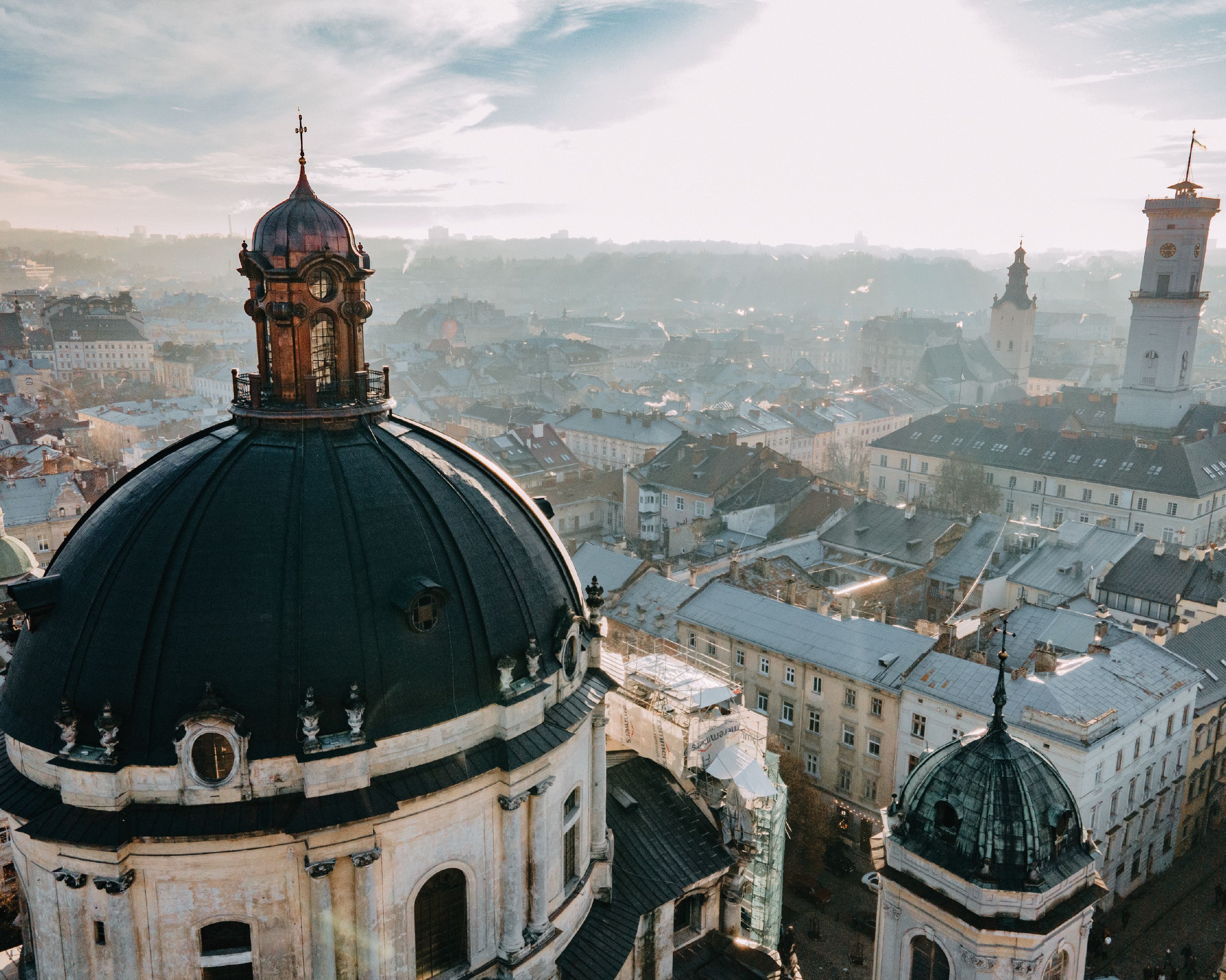
View over the Dominican Church on the historic city centre, featuring various architectural styles developed over centuries.
Photo: Yevhenii Khaustov / Ukraine.ua imagebank
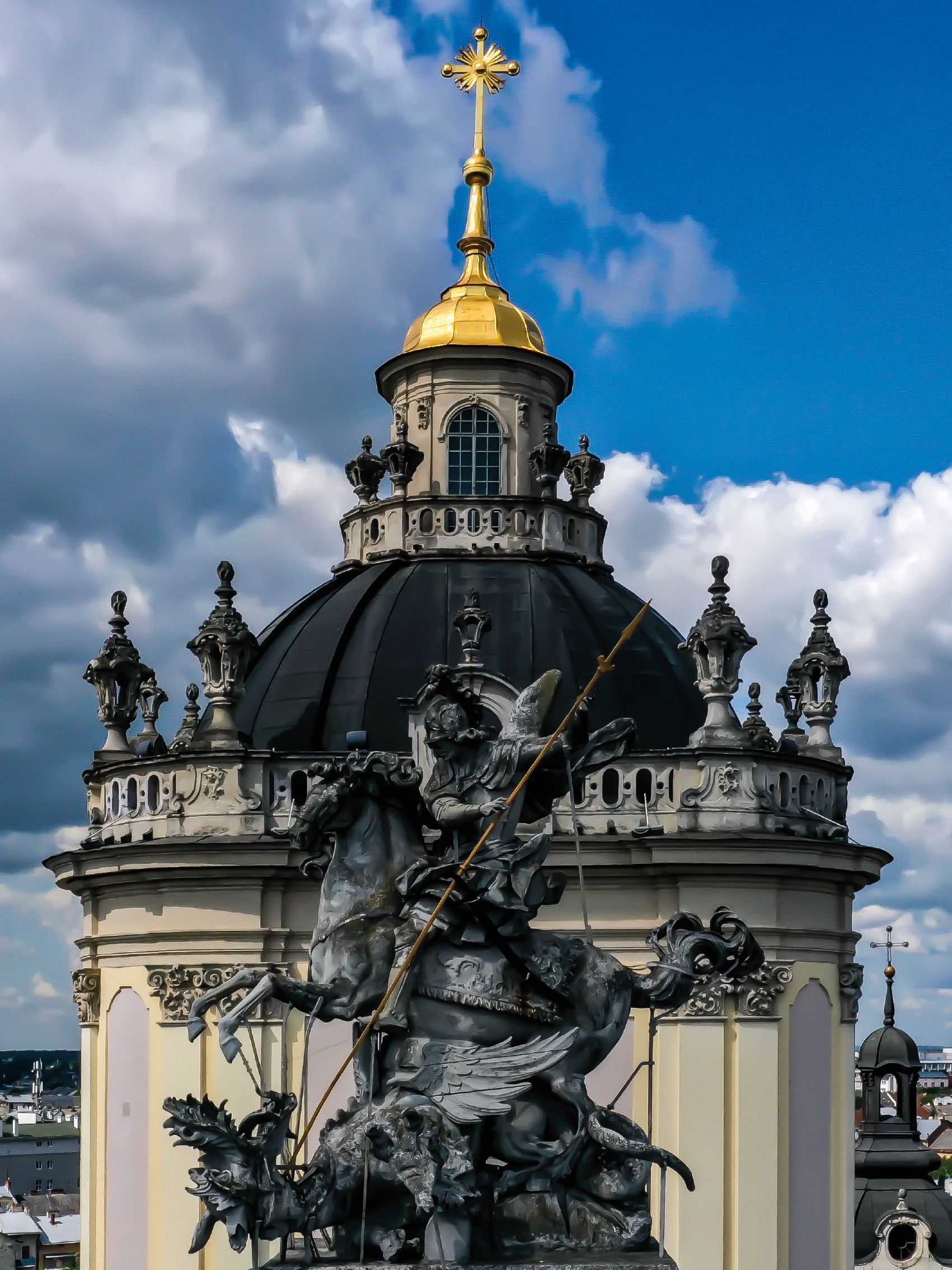 |
The top of St. Yuri’s Cathedral, one of the city's many prominent churches. Photo: Yaroslav Tytarchuk / Ukraine.ua imagebank |
Struve Geodetic Arc
UNESCO World Heritage Site since 2005.
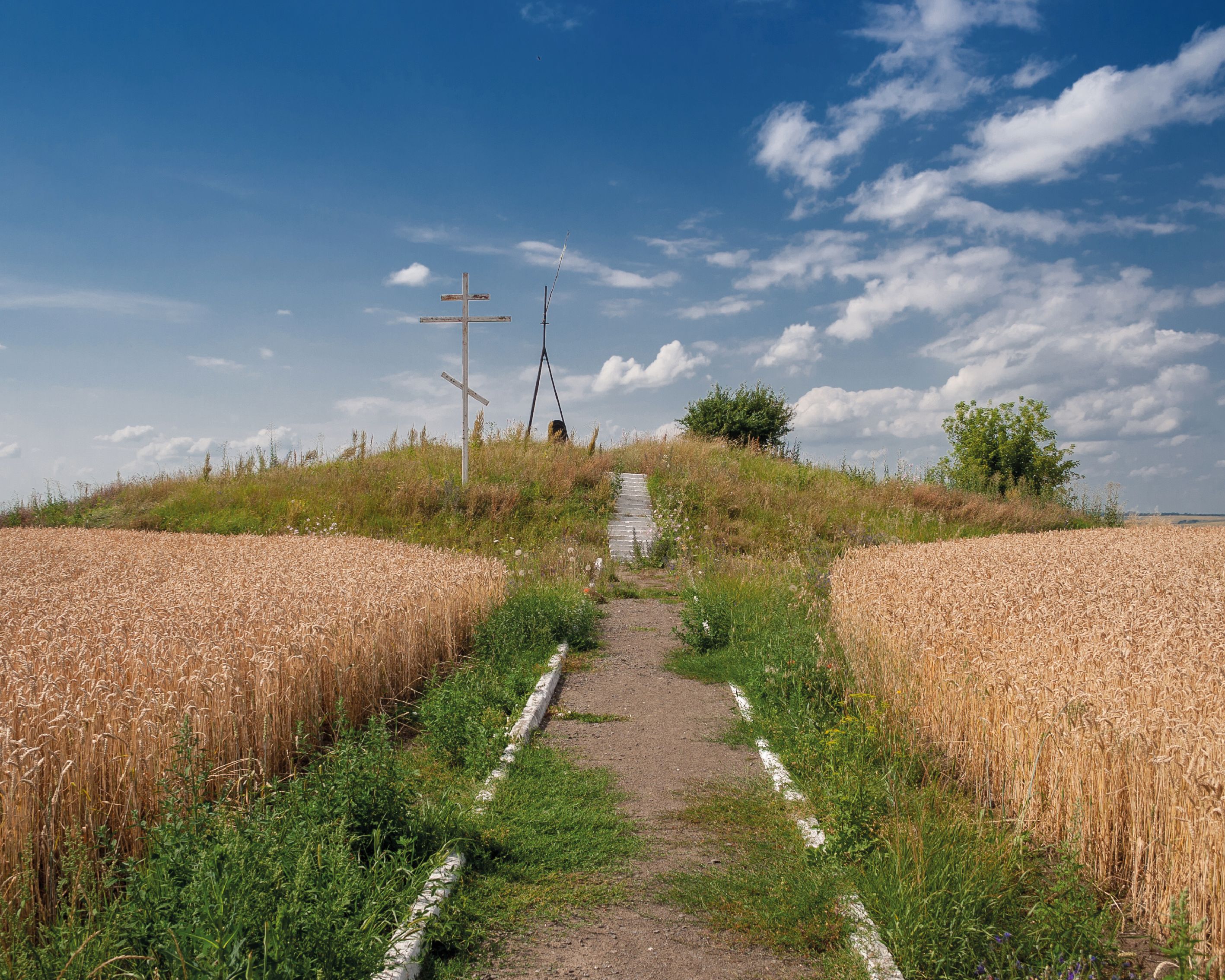
Point of the Struve Geodetic Arc, set up to accurately measure a long segment of a meridian in the 19th century.
Photo: Serhii Zysko / Wikipedia
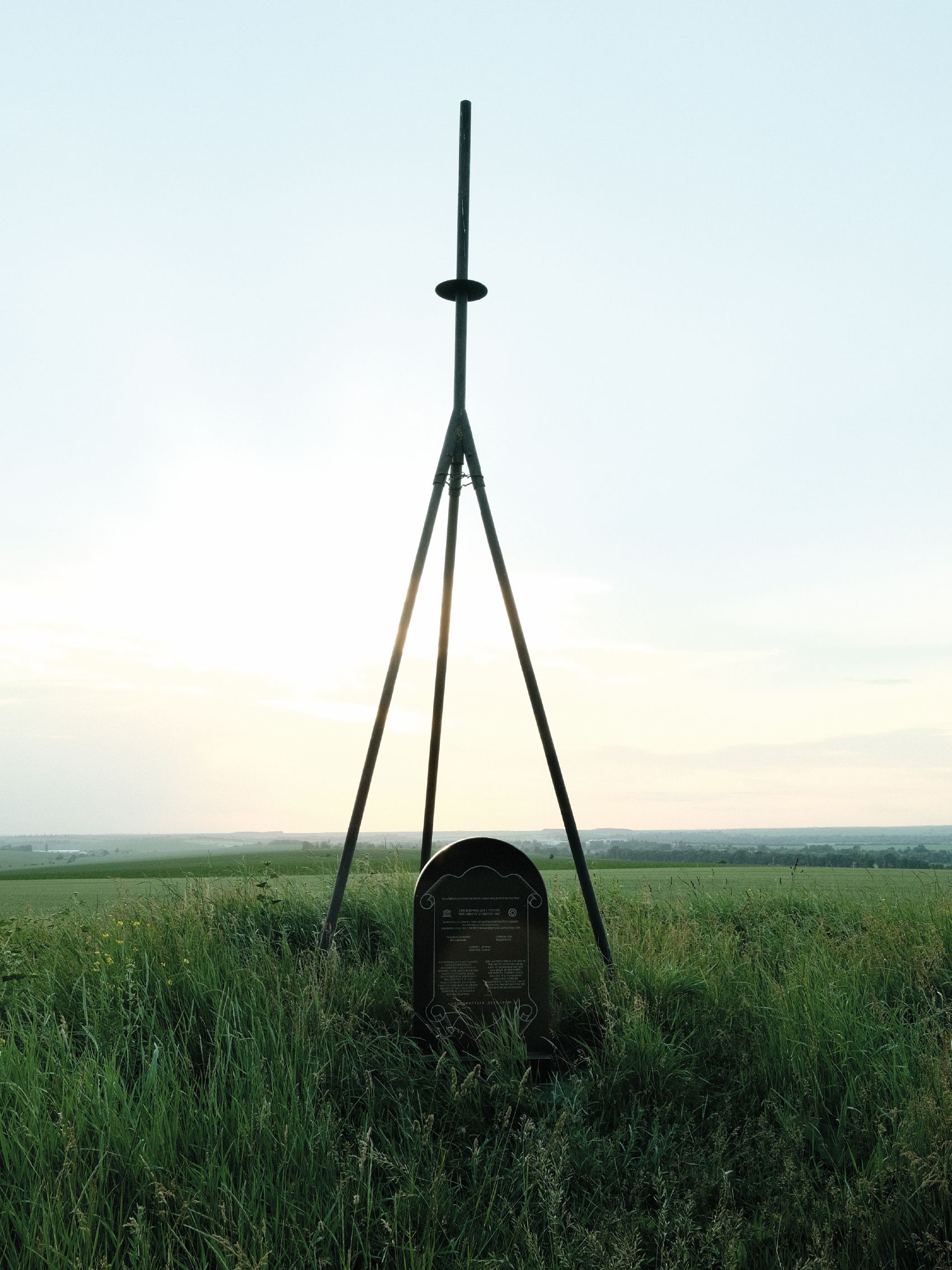 |
The monument at the Felshtyn (Felschtin) point of the Struve Geodetic Arc. Khmelnytskyi region, Ukraine. Photo: Serhii Kholodylo |
Ancient and Primeval Beech Forests of the Carpathians and Other Regions of Europe
UNESCO World Heritage Site since 2007.
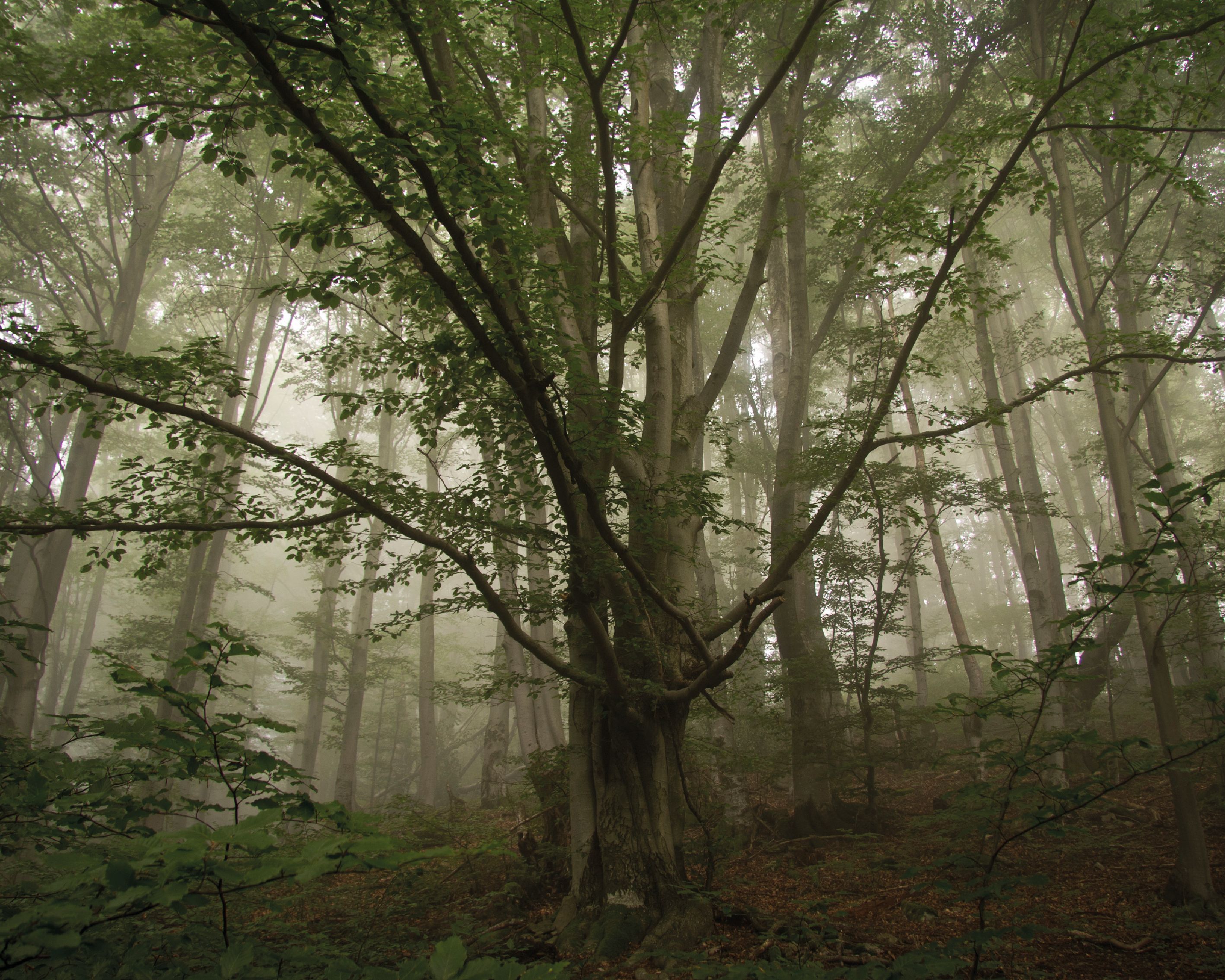
Beech forest in the Carpathian Biosphere Reserve. Zakarpattia region, Ukraine.
Photo: Billchik / Wikipedia.
